
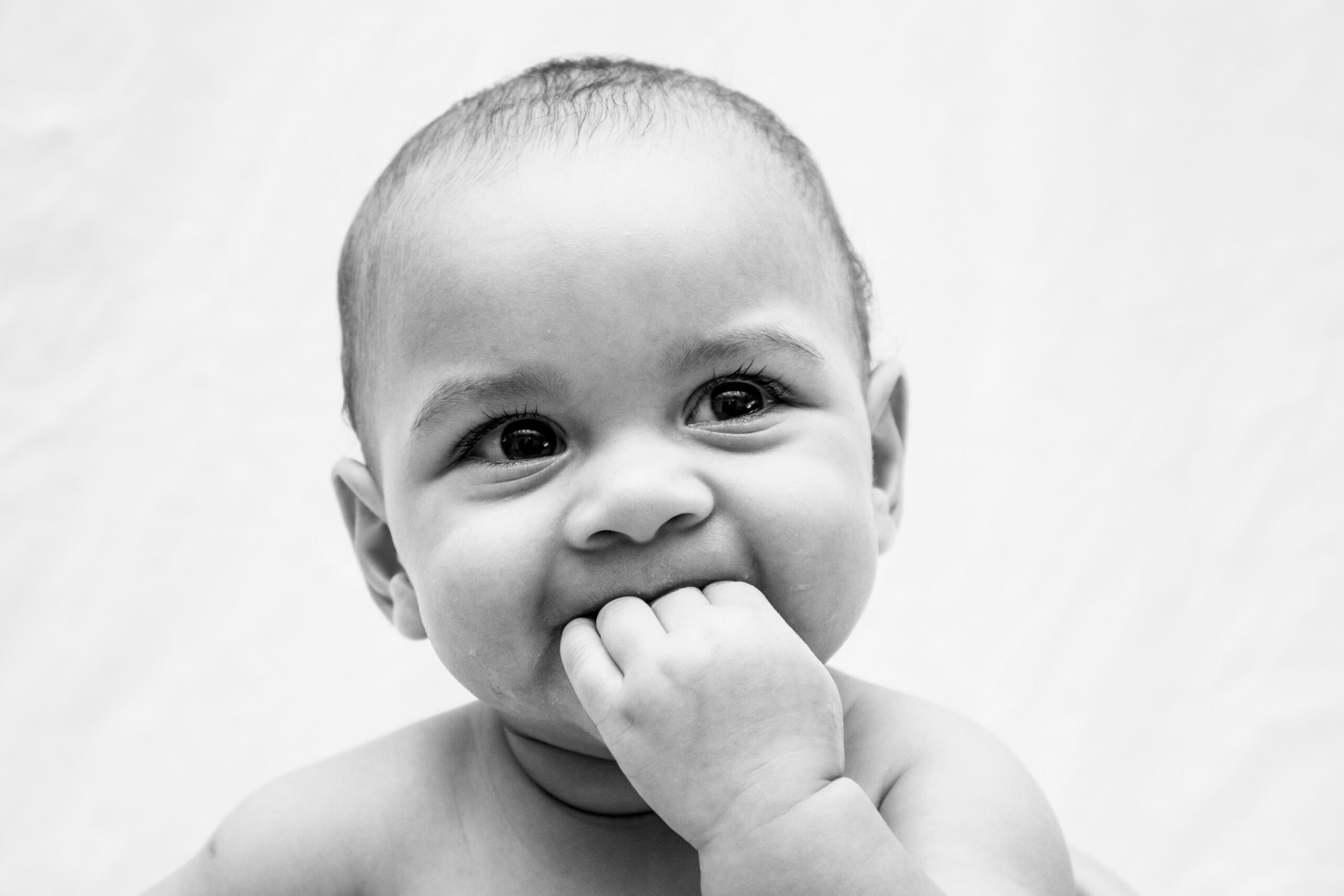


Teething is one of those big developmental milestones that tends to bring just as many questions as it does tiny new teeth. Many parents notice sudden changes in sleep — shorter naps, more night wakings, increased fussiness — and immediately wonder: do babies sleep more when teething? The answer isn’t always straightforward because every baby responds to teething a little differently.
Some babies seem extra tired and sleep more during the day. Others wake more often at night because they’re uncomfortable and struggling to settle. Either way, teething and sleep disruptions often go hand in hand, and when sleep is off, the whole household feels it.
If your child’s sleep has suddenly become unpredictable, you’re not alone. Teething can absolutely affect sleep patterns, but the changes are usually temporary and manageable with the right support. In this article, we’ll break down how teething affects sleep, what’s normal, what’s not, and how to help your child rest more comfortably while moving through this stage. The goal isn’t perfection — it’s helping you feel confident and supported as you navigate a few potentially bumpy nights.
Do Babies Sleep More When Teething? What Parents Should Know
So, do babies sleep more when teething?
Some do. Many don’t. Most experience a mix of both.
Teething can make babies more tired during the day because discomfort and disrupted sleep overnight can lead to fatigue. That might mean slightly longer naps or earlier bedtimes for a few days. At the same time, teething often leads to more frequent night wakings because discomfort becomes more noticeable when the body is trying to relax and settle into sleep.
The key thing to remember is that teething affects every child differently. For some, sleep barely changes. For others, there may be a few nights of disruption. In most cases, sleep changes during teething are temporary and settle once the tooth breaks through the gum.
Understanding Teething
Teething is the process of teeth pushing up through the gums. It typically begins somewhere between 4 and 7 months, though some babies start earlier and others later. Both are completely normal.
Teething doesn’t happen all at once. It tends to come in waves, with periods of increased gum pressure and sensitivity followed by relief once a tooth emerges. These waves can overlap with other developmental milestones like rolling, crawling, separation awareness, or changes in feeding — all of which can also impact sleep.
Because so much development happens in the first two years, it can be hard to pinpoint whether sleep disruptions are caused by teething alone. Often, it’s a combination of discomfort, developmental growth, and changes in routine. The important thing to remember is that teething is a phase, and like most phases, it passes.
What Are the Signs of Teething in Babies?
Common signs of teething include:
- Increased drooling
- Swollen or tender gums
- Chewing on hands, toys, or clothing
- Irritability or fussiness
- Slight changes in appetite
- Wanting extra comfort
Some babies handle teething with minimal fuss. Others are more sensitive and may need additional support.
It’s also helpful to know what’s not typically caused by teething:
- High or persistent fever
- Severe illness
- Ongoing major sleep regression lasting weeks
If symptoms feel intense or unusual, it’s always a good idea to check in with your pediatrician.
How Does Teething Affect Sleep Patterns?
Teething can make it harder for babies to fall asleep and stay asleep. Gum discomfort tends to feel more noticeable when a child is lying down and trying to relax, which is why bedtime and overnight sleep can be the most challenging times.
You might notice:
- Shorter naps
- More night wakings
- Early morning wake-ups
- Extra need for soothing
While some babies appear more tired during teething, total sleep time doesn’t always increase. Instead, sleep can become more fragmented. A baby may wake more frequently and need reassurance before settling back to sleep.
Exploring Common Myths
Myth: Teething always makes babies sleep more.
Some babies nap a bit more due to fatigue, but many actually sleep less at night because of discomfort.
Myth: Teething causes high fevers.
Teething may cause mild temperature changes, but true fevers usually indicate something else.
Myth: Every sleep disruption is teething.
Teething often overlaps with developmental leaps, schedule changes, and growth spurts. It’s not always the only factor.
Understanding what’s normal helps prevent unnecessary worry and keeps sleep decisions grounded in reality.
Evidence From Parents’ Experiences
Parents often report similar patterns during teething:
- Increased clinginess
- More frequent night wakings
- Shorter naps
- Occasional longer sleep stretches from exhaustion
There’s a wide range of normal. Some children barely react to teething. Others need a bit more support for a few nights. Variation doesn’t mean something is wrong — it simply means your child is responding in their own way.
How to Help a Teething Baby Sleep
Establishing a Calming Bedtime Routine
Consistency is incredibly helpful during teething. A predictable bedtime routine signals that sleep is coming and helps the body wind down, even when discomfort is present.
A simple routine might include:
- Warm bath or wash-up
- Pajamas and final feed
- Quiet books or songs
- Into the crib or bed with calm reassurance
Keep lights low and stimulation minimal. The more predictable the routine, the easier it is for your child to settle.
Safe Soothing Techniques
You can offer comfort while still maintaining healthy sleep habits.
Safe options include:
- Cold teething toys
- Gentle gum massage
- Extra cuddles before bed
- Responsive reassurance during night wakings
Supporting real discomfort doesn’t mean you have to completely change sleep expectations. Temporary extra support is okay — consistency still matters.
The Role of Sleep Environment
A comfortable sleep environment can make a big difference:
- Cool, comfortable room temperature
- Dark sleep space
- White noise
- Comfortable sleep clothing
When the environment stays consistent, it’s easier for children to settle even when they’re not feeling their best.
Do Babies Need More Sleep When Teething?
Some babies act more tired during teething, but most don’t need significantly more sleep overall. What they need most is consistency. Keeping naps and bedtime predictable helps prevent overtiredness, which can actually make teething nights harder.
Instead of forcing extra sleep, follow your child’s cues and maintain a steady rhythm. A slightly earlier bedtime after a rough day is often more helpful than dramatically changing the schedule.
The Connection Between Sleep and Discomfort
Discomfort can interfere with the ability to self-settle between sleep cycles. When babies surface between cycles overnight, they may need a bit more reassurance than usual.
Supporting comfort before bedtime can help:
- Offer teething relief before sleep
- Keep routines predictable
- Respond calmly to wake-ups
Once discomfort eases, sleep typically returns to baseline quickly.
Adjusting Sleep Schedules During Teething
Small, temporary adjustments are okay. Major changes usually aren’t necessary.
Helpful adjustments might include:
- Slightly earlier bedtime if naps were short
- Extra wind-down time
- A bit more soothing at bedtime
Try to avoid completely overhauling sleep habits unless absolutely necessary. Staying consistent helps sleep bounce back faster once teething passes.
Expert Recommendations
Pediatrician Guidance on Teething
Teething is a normal developmental process. Pediatricians often recommend comfort measures like chilled teething toys, gentle gum massage, and age-appropriate pain relief when needed. Always consult your pediatrician before using medication.
Tips From Child Sleep Consultants
From a sleep perspective, balance is key. Offer comfort for genuine discomfort while maintaining consistent routines. Temporary disruptions happen, but staying predictable helps prevent long-term sleep challenges.
When to Consult a Doctor
Contact your pediatrician if you notice:
- Persistent fever
- Extreme irritability
- Symptoms that don’t improve
- Concerns beyond typical teething discomfort
Conclusion
Teething can affect sleep, but it doesn’t always mean babies will sleep more. For many families, it looks more like temporary disruptions rather than longer stretches of rest. The most helpful approach is staying consistent, offering comfort, and remembering that this phase is temporary.
Sleep may feel off for a few nights, but once the tooth breaks through and discomfort eases, things often stabilize again. Be patient with your child — and with yourself. A few rough nights don’t mean sleep is permanently off track. With steady routines and responsive support, restful nights will return. We are here for you!


