
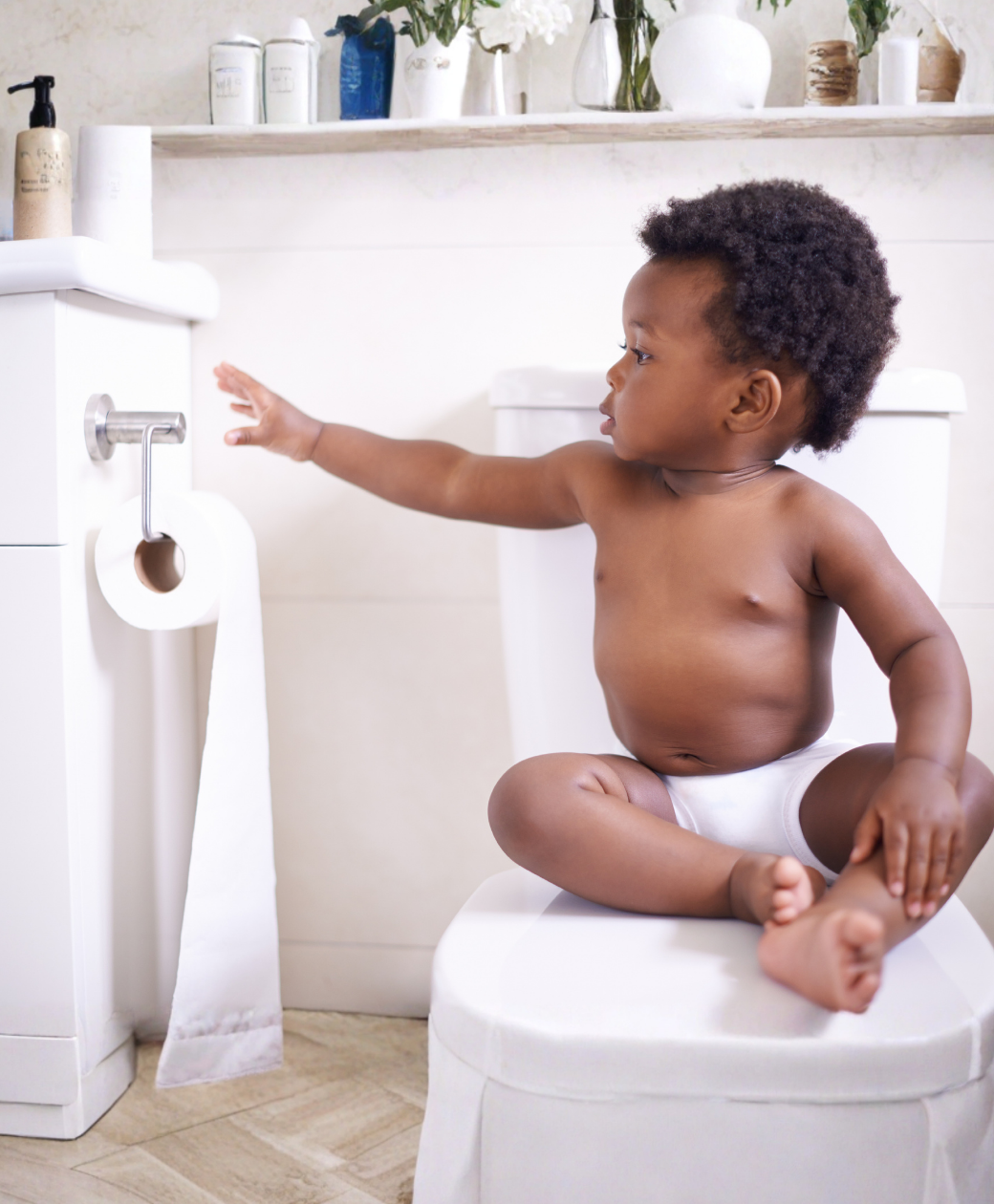


Many parents feel the pull between progress and patience as they tackle potty training. Night time potty training, in particular, can feel like a moving target: some children stay dry through the night earlier, while others continue to wake with damp sheets for longer. The good news is that overnight dryness often develops later than daytime skills, and timing varies from child to child.
There’s no one-size-fits-all timetable, and a calm, supportive approach usually yields the best results. This post blends practical readiness signs, gentle strategies, and routines that help your child stay dry overnight without pressure. We’ll address common questions about timing, readiness, and how to support your child with patience. Remember, night time potty training is a journey, and every child progresses at their own pace.
Night Time Potty Training: When and How to Start
Night time potty training focuses on staying dry during the hours your child is sleeping, which is different from daytime potty use. It often relies more on biological development than behavior, so readiness can take longer to emerge than daytime skills. Some children stay dry naturally, while others benefit from gradual support and consistent routines. Starting too early can lead to frustration for both you and your child, so it’s helpful to look for readiness signs rather than fixed ages. The goal isn’t perfection by a certain date; it’s gradually increasing nights of dryness and a reassuring, pressure-free approach to accidents when they happen.
Signs Your Child Is Ready for Night Time Potty Training
Readiness matters more than age. Look for these signs of nighttime readiness, and use nighttime potty training readiness to guide your pace:
– Waking up dry several mornings in a row
– Staying dry during long naps
– Showing awareness of a full bladder (e.g., reaching for the bathroom or verbalizing need)
– Asking to use the bathroom at night
– Being fully comfortable with daytime potty routines
If you notice several of these cues, your child may be ready to start gentle nighttime routines. If not, it’s perfectly fine to wait a little longer and continue reinforcing daytime skills first.
Tips for Successful Night Time Potty Training
Actionable strategies you can follow:
– Limit liquids shortly before bedtime
– Encourage using the toilet right before sleep
– Use waterproof mattress protectors
– Keep a small nightlight for easy bathroom trips
– Dress children in easy-to-remove pajamas
– Consider a nighttime potty schedule aligned with your child’s sleep-wake cycle
– Maintain consistency: predictable routines help children know what to expect
– Practice patience: progress may be gradual, with occasional accidents
– Celebrate small wins with warmth and encouragement instead of punishment
– If helpful, outline a simple plan inspired by the guide’s Day 1–Day 3 structure to pace practice (e.g., gradual exposure to sitting on the potty, then short underwear wear, then independent trips)
Creating a Bedtime Routine That Supports Dry Nights
A calm, predictable routine can make a big difference for nighttime success. Consider these components:
– Predictable bedtime schedule: consistent bed and wake times support bodily rhythms
– Calm pre-bed activities: stories, gentle breath or quiet music to ease into rest
– Final bathroom trip before sleep: a last chance to empty the bladder
– Positive reinforcement rather than pressure: praise effort, not just dryness
– Normalize the topic: briefly remind mornings, dryness, and routine in a gentle way
– How to night train a toddler: approach with stepwise, child-led pacing and avoid shaming or punishment
Bedwetting vs Night Time Potty Training
Clarify the difference between developmental bedwetting and potty training setbacks. Many children do not consistently stay dry until ages 5–7. Occasional accidents are normal and not a sign of failure. The plan you might have seen in the Sleep Tight Brooklyn material emphasizes readiness, preparation, and a patient, staged rollout—these principles apply to night time potty training as well.
What to Do When Accidents Happen
Provide supportive guidance:
– Stay calm and avoid punishment
– Involve the child in simple clean-up routines to foster responsibility
– Protect bedding with layers (mattress protector, sheet, and a waterproof cover)
– Focus on encouragement rather than frustration
– Normalize the process as part of learning and growing
When Night Time Potty Training Takes Longer
Explain possible reasons some children take longer:
– Deep sleep patterns
– Small bladder capacity
– Developmental timing
– Family history of bedwetting
Offer guidance on when to consider talking to a pediatrician if concerns persist or if you notice other symptoms beyond typical nighttime accidents.
Conclusion
Night time potty training depends on biological readiness and consistent routines. Accidents are a normal part of the learning process, not a failure. With patience, practical strategies, and supportive routines, your child can progress toward dry nights. Reiterate the keyword night time potty training and encourage parents to adopt a compassionate, realistic pace.
Nighttime Potty Training FAQs
At what age should night time potty training start?
It varies; look for readiness signs rather than a fixed age.
How do I start night time potty training?
Begin with readiness signs, then introduce bedtime routines including a final bathroom trip, protective gear, and gentle reinforcement.
How long does nighttime potty training take?
It typically unfolds over months, not days, and can continue through early school years for some children.
What if my toddler keeps wetting the bed?
Normalize accidents, adjust routines gradually, and consult a pediatrician if there are concerns about enuresis or other symptoms.
Should I wake my child to pee at night?
If your child is actively training, a gentle waking schedule can be experimented with, but avoid forcing awakenings that disrupt sleep.
Is bedwetting normal after potty training?
Yes—some bedwetting can occur as part of development; many children outgrow it with time and supportive routines.


